





If, after bleaching, the mirror reveals dull, frizzy, or brittle hair, the solution isn’t just another oil you bought on a whim. Restoring bleached hair requires a routine that takes into account the extent of hair damage, moisture needs, and maintaining the blonde shade. With the right products and a slightly gentler care routine, your hair can become softer, more elastic, and look much healthier.
Bleaching does its job well—it removes pigment from the hair to achieve a light color. Unfortunately, the process also opens up the hair’s cuticle and weakens the hair’s natural bonds. That’s why hair that was once smooth and strong may feel coarse, frizzy, or dry after bleaching—even if you use conditioner every time you wash it.
Why does bleached hair become dry and brittle?
Hair damage doesn’t just happen in the salon chair. Bleached hair is also subjected to further stress from heat styling, the sun, chlorinated water, harsh shampoos, and frequent use of toning shampoos. Each of these factors can contribute to the hair losing moisture more quickly and the ends becoming split.
Let’s be honest here: once a strand of hair has broken, it cannot be biologically regrown. Hair care products cannot actually repair it. However, they can improve the hair’s surface, reduce friction, support moisture balance, and make brittle ends significantly more manageable. That’s the real value of a restorative routine—less breakage and a better chance of growing healthy, long hair.
Restoring bleached hair starts with washing it
Very dry hair doesn’t need to be washed every day. If your scalp can handle it, try skipping a wash every one or two days. This reduces the frequency of washing, drying, and blow-drying, which is often too much for bleached hair.
Choose a gentle, moisturizing shampoo that ’s suitable for colored hair. It should remove oil and styling product residue from your scalp without leaving your hair feeling dry and brittle. If your hair feels like a tangled mess after shampooing but before conditioning, the cleanser is likely too harsh for your hair.
Shampoo should be applied primarily to the scalp. Gently massage it in with your fingertips—don’t scratch with your fingernails—and let the lather run down the length of your hair as you rinse. Repeatedly rubbing the hair strands vigorously does not clean them better; it simply adds mechanical stress.
Use conditioner after every wash. It’s not just a cheaper substitute for a hair mask, but an essential step that smooths the hair’s surface and helps detangle wet hair without causing breakage. If your hair is particularly porous, apply conditioner to the lengths, let it sit for a few minutes, and then gently comb through it with a wide-tooth comb.
A mask, moisturizer, or bandage-supporting treatment?
Not all damaged blonde hair needs exactly the same treatment. Very dry, coarse, and dull hair usually requires a moisturizing and softening mask. Hair that stretches unusually much when wet, breaks easily, or no longer holds its shape may also need restorative care that strengthens the hair structure.
Protein-rich and bond-strengthening products can make weakened hair feel stronger, but it’s best not to overdo it. If you use them too often, some hair types may become stiff and brittle. Start with a restorative mask once a week and monitor the results over two to three weeks. If your hair becomes stronger but loses its softness, switch to a deeply moisturizing mask for your next treatment.
A good rule of thumb is simple: damaged blonde hair needs both strength and moisture. Focusing on just one of these tends to highlight the other problem.
Purple shampoo is not a restorative treatment
A purple or silver shampoo that neutralizes yellow tones is a great tool for maintaining blonde tones, but it does not restore the hair’s condition. Products containing pigments can have a drying effect with frequent use, especially on very light and porous hair.
Use a toning shampoo as needed, not out of habit. For some people, once a week is enough; for others, twice a month is sufficient. If your hair color is already a nice cool shade, choose a regular moisturizing shampoo for your next wash. That way, your hair won’t become dull, purple, or overly dry.
If your blonde hair starts turning yellow right after coloring, the problem may not be the shampoo. Possible causes include hard water, minerals, sun exposure, heat styling, or very high hair porosity. In that case, it’s best to focus first on improving the condition of your hair, rather than just adding more pigment.
Heat and wet hair: two situations where hair often breaks
One of the most underrated steps in restoring bleached hair is heat protection. You don’t have to completely eliminate the hair dryer, straightener, and curling iron from your routine, but you should set limits on their use. Use heat protection every time you blow-dry or style your hair—not just when you’re doing a special-occasion hairstyle.
If possible, let your hair air-dry to about 70–80 percent dry first, and set the hair dryer to a medium heat setting—not the hottest one. When using a straightener or curling iron on heavily bleached hair, it’s often better to use a lower temperature and make one slow pass than to make several hot passes on the same strand.
Wet hair is weaker and more prone to tangling. Don’t rub it vigorously with a towel to dry it. Squeeze out excess water with a soft microfiber towel or a cotton T-shirt, and use a detangling spray or a light conditioning cream to help detangle it. Always start at the ends and work your way up gradually.
Small Habits That Make a Big Difference
Hair recovery doesn’t depend solely on what you do in the shower. Using a silk or satin pillowcase can reduce nighttime friction and tangles. A soft hair tie helps prevent breakage, especially if you often wear your hair in a tight ponytail. It’s also a good idea to protect your hair from chlorinated water: wet your hair with clean water before swimming, apply a small amount of leave-in conditioner, and rinse your hair as soon as possible after swimming.
Regular trims are also part of a hair restoration plan—not a failure. If the ends are already split and light spots are moving up the hair shaft, no miracle product will fix it. A small trim helps prevent the damage from spreading further and makes the entire hairstyle look thicker.
When is it a good idea to take a break from bleaching your hair?
If your hair breaks just from touching your head, feels sticky when wet, doesn’t dry normally, or your scalp itches after every chemical treatment, your hair needs time to recover. You shouldn’t get your hair bleached again just because your roots are showing. Sometimes it’s wiser to choose a root touch-up, subtle highlights, or a temporary solution that’s slightly darker and requires less maintenance.
That doesn’t mean you should give up on being blonde. It means that a beautiful blonde look is achieved by working with the actual condition of your hair. Even the most beautiful shade won’t look luxurious if your hair is dull, thin, and brittle.
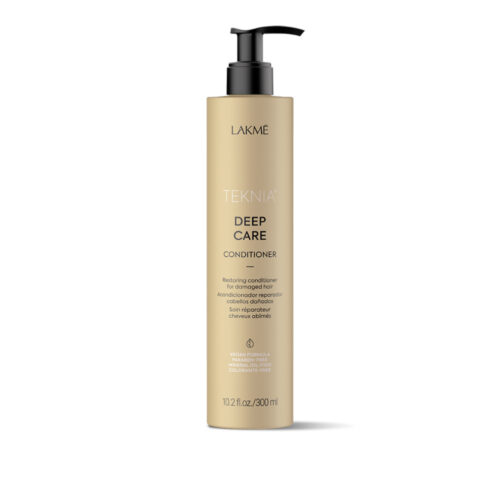
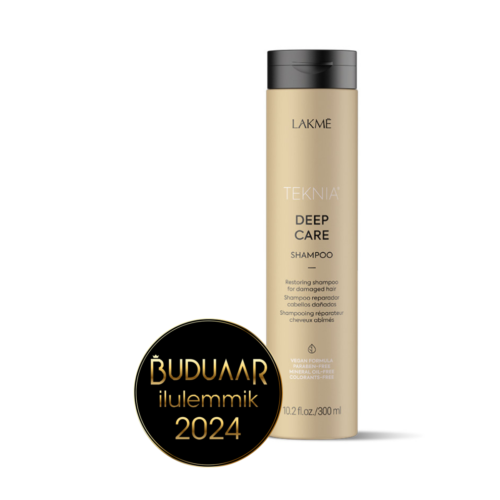
When shopping at Ilucentrum, look for gentle shampoos, moisturizing conditioners, restorative masks, color-preserving products, and heat protection for bleached hair. While no product alone can transform your hair overnight, well-formulated products and a consistent routine give your hair the chance to truly thrive.
Just start with your next wash: gently wash your scalp, apply a mask to the ends of your hair, use heat protection, and reserve the silver shampoo only for those times when your hair really needs it. Bleached hair doesn’t require a perfect ten-step ritual—it needs less fuss and more sensible care.